







Table of Contents
Should you buy gold or silver in 2026? Here’s the honest answer: gold is the stability play — the metal central banks are stockpiling even as it trades around $4,140 an ounce, after smashing past $5,000 to a record high in January. Silver is the upside play — the industrial metal that spiked to $121 in January, corrected to around $60, and still carries a $150 bull-case target from Citi on a supply squeeze.
Want wealth protection? Lean toward gold. Want growth potential and can stomach real volatility? Lean toward silver. Most serious precious-metals investors don’t choose — they hold both. This guide compares gold vs silver across price, volatility, demand, premiums, and liquidity, so you can decide the right mix for your goals.

Table of Contents
- Gold vs Silver: The Short Answer
- Gold vs Silver Price Comparison in 2026
- Volatility: Silver’s Biggest Feature (and Biggest Risk)
- Demand Drivers: Monetary Gold vs Industrial Silver
- The Gold-Silver Ratio: What It Tells You
- Premiums & Costs: What You’ll Actually Pay Over Spot
- Liquidity: Which Is Easier to Sell?
- Portfolio Allocation: How Much Gold vs Silver Should You Own?
- The Honest Take: Why Most Investors Hold Both
- Frequently Asked Questions
- Ready to Buy Gold or Silver?
Gold vs Silver: The Short Answer
Gold is the better choice for stability and wealth preservation in 2026 — central bank buying (289 tonnes in Q2 alone) puts a structural floor under the price. Silver is the better choice for upside potential — but it comes with roughly twice the volatility, no central-bank safety net, and heavier exposure to industrial cycles. Most investors hold both: gold as the core, silver as the satellite.
| Gold | Silver | |
|---|---|---|
| Price (mid-Oct 2026) | ~$4,140/oz (record above $5,300 in Jan) | ~$56–$61/oz (record $121 in Jan) |
| Volatility | Lower — the stable store of value | Higher — roughly 2–3x gold’s swings |
| Industrial demand | Minimal — mainly monetary/jewelry | Major — solar, EVs, electronics; 6-year supply deficit |
| Liquidity | Excellent — compact, universally recognized | Good — bulkier; coins sell easily, bars less so |
| Typical premiums | 2–8% over spot | 5–20% over spot |
| Best for | Wealth protection, stability, first purchase | Growth potential, upside, higher risk tolerance |
That’s the 30-second version. Below is the full breakdown for anyone weighing a gold or silver investment this year.
Gold vs Silver Price Comparison in 2026
Both metals had historic starts to 2026 — and both have cooled since. Here’s where they stand:
Gold: Smashed past $5,000/oz to a record high above $5,300 in late January 2026, driven by safe-haven demand and relentless central-bank buying. It has since corrected to around $4,120–$4,200 — roughly 20% below its peak, but still dramatically above the ~$2,900 it traded at in early 2025.
Silver: Hit an all-time record of roughly $121/oz in late January 2026 during a London liquidity squeeze, then corrected hard. By mid-October it was trading around $56–$61 — roughly half its peak, yet still nearly double where it started 2025 (under $30).
The takeaway: silver vs gold in 2026 is a tale of two corrections. Gold’s pullback looks like a healthy consolidation. Silver’s looks like a crash — but zoom out and silver is still one of the best-performing assets of the last two years.
For the full picture on silver’s wild ride, see our silver price prediction 2026 guide — it covers every major forecast from $44 to $150.
Volatility: Silver’s Biggest Feature (and Biggest Risk)
This is the single most important difference in the gold vs silver debate.
Silver’s market is far smaller and thinner than gold’s, and roughly half of silver demand is industrial. That means silver moves further than gold in both directions — historically about 2–3x gold’s swings:
- When gold rose ~40% from early 2025 to its January 2026 peak, silver gained nearly 150% over the same stretch.
- When the correction came, gold fell ~20% from its high while silver fell ~50%.
Bottom line: Silver’s volatility is a feature if you’re positioned for the upside, and a risk if you can’t handle drawdowns. Gold investors sleep better; silver investors need a stronger stomach. If the idea of a 30% drop in a quarter would make you panic-sell, you don’t want a large silver position.
Demand Drivers: Monetary Gold vs Industrial Silver
Gold and silver respond to completely different economic forces — and that’s exactly why holding both can make sense.
Why gold demand is structural
Gold is a monetary metal. Its biggest buyers aren’t speculators — they’re central banks. The numbers are staggering:
- Central banks bought 289 tonnes of gold in Q2 2026 alone, up 62% year-on-year (World Gold Council data).
- The World Gold Council expects roughly 850 tonnes of central-bank buying in 2026 — close to 2025’s 863 tonnes.
- Global official gold holdings have reached 36,000 tonnes, a record.
Central banks buy gold to diversify away from the dollar and hold a reserve asset that can’t be frozen or blocked. They buy steadily, through dips, and they don’t sell on bad headlines. That creates a structural floor under gold that silver simply doesn’t have.
Why silver demand is explosive — and cyclical
Silver is a hybrid metal: part precious, part industrial. Its demand story is about the green-energy buildout:
- Silver has run a structural supply deficit for six consecutive years. The 2026 deficit is estimated at 46.3 million ounces, adding to a cumulative drawdown of roughly 762 million ounces since 2020.
- Industrial demand hit a record 680.5 million ounces in 2024, driven by solar panels, EVs, and electronics.
- Solar silver consumption is projected to grow from 178 million ounces in 2023 to 380 million ounces annually by 2030.
- The Silver Institute tracks these supply-demand balances in its annual market surveys.
This industrial demand is largely price-insensitive — manufacturers need silver regardless of cost. But it’s also cyclical: if a recession slows manufacturing, silver’s industrial bid can evaporate fast, pulling the price down harder than gold.
Bottom line: Gold’s demand is defensive and institutional. Silver’s demand is growth-linked and can explode — in both directions.
The Gold-Silver Ratio: What It Tells You
The gold-silver ratio tells you how many ounces of silver it takes to buy one ounce of gold. It’s one of the most-watched numbers in precious metals investing:
- The ratio currently sits around 67:1 — modestly below its 20-year average of roughly 71:1.
- When the ratio stretches to extremes (80:1 or higher), it has historically signaled that silver is cheap relative to gold — and silver often outperforms from there.
- When the ratio compresses (40:1 or lower), gold has typically been the relatively cheaper metal.
At ~67:1, the ratio is near neutral — neither screaming “buy silver” nor “buy gold.” It’s a useful input, not a timing tool. The LBMA publishes the daily benchmark prices both metals’ ratio is calculated from.
Premiums & Costs: What You’ll Actually Pay Over Spot
When you buy gold vs silver, the sticker price is spot price plus a premium — the dealer’s markup for minting, distribution, and profit. Here’s what to expect in 2026:
| Product | Typical premium over spot |
|---|---|
| 1 oz gold bars | 2–5% |
| 1 oz gold coins (Eagles, Maple Leafs) | 4–8% |
| 1 oz silver bars | 5–10% |
| 1 oz silver coins (Silver Eagles) | 12–20% |
| Fractional gold coins | 8–15% |
Three things to notice:
- Gold carries lower percentage premiums — you keep more of your money in metal, especially with bars.
- Silver’s premiums are higher in percentage terms, and silver coins like American Silver Eagles can carry steep markups. Silver bars are the value play.
- Premiums widen during demand surges. During silver’s January spike, premiums on popular products ballooned. Buy the boring, standard products — not whatever’s trending.
If you’re new to the mechanics of buying, our complete guide to buying gold in 2026 walks through spot prices, premiums, dealers, and storage step by step — the same principles apply to silver.
Liquidity: Which Is Easier to Sell?
When it’s time to sell, gold wins on convenience:
- Gold is compact value. $100,000 of gold is about 24 ounces — it fits in your jacket pocket. $100,000 of silver is roughly 1,700 ounces — over 50 kg of metal. Shipping, insuring, and storing that much silver costs real money.
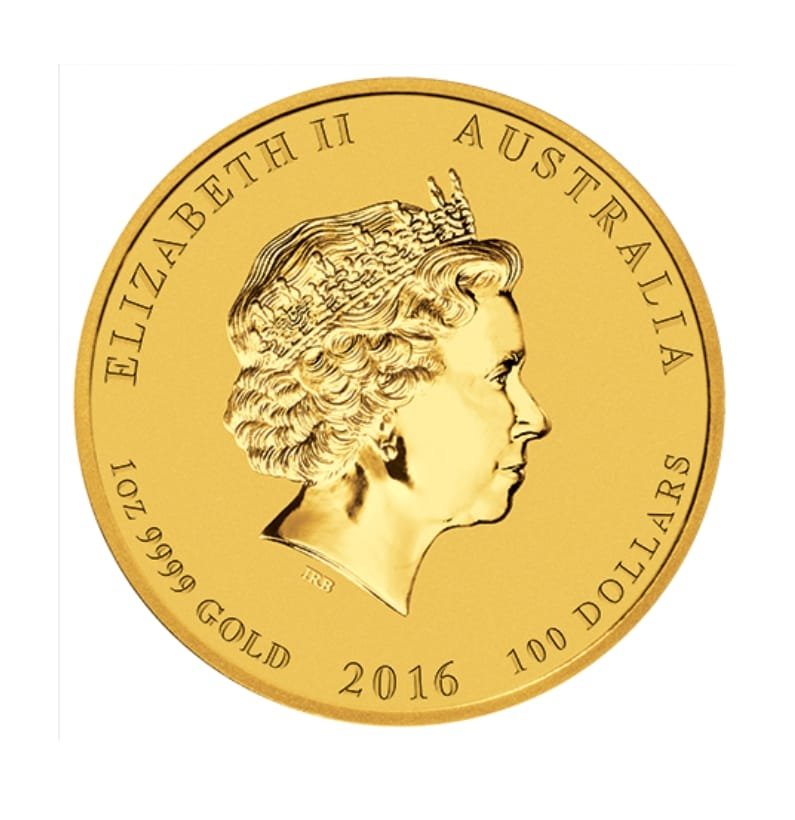
- Gold coins are universally recognized. American Gold Eagles, Canadian Maple Leafs, and Krugerrands can be sold to virtually any dealer in the world, usually within a day.
- Silver is liquid too, but bulkier. Government-minted silver coins (Silver Eagles, Maple Leafs) sell easily. Obscure silver rounds and 100-oz bars have a thinner resale market.
Bottom line: If you might need to sell quickly or in a crisis, gold — especially widely recognized 1 oz coins — is the more practical metal. Silver rewards patience and scale.
Portfolio Allocation: How Much Gold vs Silver Should You Own?
Most financial advisors suggest keeping 5–15% of a diversified portfolio in precious metals — gold and silver combined. Within that allocation, a common framework is:
- Gold as the core (60–80% of your metals allocation). It’s the stabilizer — the position you hold through recessions, inflation, and geopolitical shocks.
- Silver as the satellite (20–40% of your metals allocation). It’s the growth kicker — smaller position, higher upside, higher volatility.
Beginners often start with gold coins for their first purchase, then add silver bars once they’re comfortable with the volatility. Dollar-cost averaging — buying smaller amounts over time — smooths out the swings in both metals.
This is educational content, not financial advice. Your allocation should reflect your risk tolerance, time horizon, and overall financial picture — consider speaking with a qualified advisor.
The Honest Take: Why Most Investors Hold Both
Here’s the truth the gold vs silver debate usually misses: it’s not either/or.
Gold and silver do different jobs. Gold protects wealth — it’s the asset central banks trust, the hedge that holds up when everything else falls. Silver grows wealth — it’s the leveraged play on industrial demand, green energy, and supply deficits that can deliver multiples of gold’s returns in a bull market.
In 2026 specifically:
- Buy gold if: you want stability, you’re hedging against inflation or geopolitical risk, or this is your first precious-metals purchase.
- Buy silver if: you believe in the industrial demand story, you can tolerate 30–50% drawdowns, and you want asymmetric upside (including that $150 bull case).
- Buy both if: you want a resilient metals allocation — gold to anchor it, silver to amplify it.
That’s what most serious investors do. The question isn’t really which is better, gold or silver — it’s what mix matches your goals.
Frequently Asked Questions
Which is better, gold or silver, in 2026?
Neither is objectively better — they serve different roles. Gold offers stability with central-bank backing and lower volatility; silver offers higher upside potential with significantly higher risk. Most investors hold both, with gold as the larger position.
Is silver undervalued compared to gold right now?
The gold-silver ratio near 67:1 sits close to its 20-year average of ~71:1, suggesting neither metal is extremely cheap relative to the other. Silver’s bull case rests more on its supply deficit and industrial demand than on the ratio.
Should I buy gold or silver first?
If this is your first precious-metals purchase, start with gold — typically a widely recognized 1 oz coin. It’s more liquid, less volatile, and easier to sell. Add silver once you’re comfortable with how physical metals trade.
Will silver hit $100 in 2026?
It’s possible but not the base case. Most analysts see $79–$85 as the likely year-end range. Reaching $100+ would probably require a supply squeeze or delivery-stress event like the one that drove January’s $121 spike. See our silver price prediction 2026 for every major forecast.
How much gold vs silver should I own?
A common framework: 5–15% of your portfolio in precious metals combined, with gold as 60–80% of that metals allocation and silver as the 20–40% satellite. Adjust to your risk tolerance — this isn’t financial advice.
Where can I buy physical gold and silver?
Reputable online bullion dealers offer the best combination of selection, pricing, and convenience. Look for transparent pricing tied to live spot, insured shipping, and a clear buyback policy — then browse our shop to compare current prices.
Ready to Buy Gold or Silver?
You’ve done the research — now put it to work. Whether you’re anchoring with gold, swinging for silver’s upside, or doing what most serious investors do and holding both, Bullion Bridge Exchange has you covered.
Shop Gold Bars → Shop Gold Coins →
Prices update with the live spot market. Fully insured shipping on every order — no hidden fees.