


Buying gold and silver gets all the attention. Selling it is where most people leave money on the table.
Learning how to sell gold and silver properly matters because the gap between a good offer and a bad one can be enormous — sometimes 20% or more on the same items, on the same day. The buyers know this. Most sellers don’t, and they walk in unprepared, accept the first number they’re given, and never realize what they left behind.
This guide to how to sell gold and silver covers where to sell, what actually determines your offer, how to compare buyers, and the traps to avoid.

Table of Contents
The Short Answer: How to Sell Gold and Silver
When learning how to sell gold and silver, get at least three quotes, check the live spot price first, and sell standard bullion to a dealer or established online buyback program — not a pawn shop or a mail-in “we buy gold” envelope. Expect to receive the melt value of your metal minus a small dealer margin, not the premium you originally paid. Bring ID, receipts, and assay certificates, and never accept a first offer on the spot.
What Determines Your Offer
Before you talk to any buyer, understand what they’re actually pricing when you learn how to sell gold and silver. Your offer comes down to five things:
1. The live spot price
Everything starts with spot — the current market price per troy ounce of gold or silver. Buyers pay a percentage of spot, not a fixed number, so your offer moves with the market during the day. Check the spot price the morning you sell so you can judge whether an offer is fair. If a buyer won’t tell you what percentage of spot they’re paying, that’s a warning sign.
2. The form of your metal
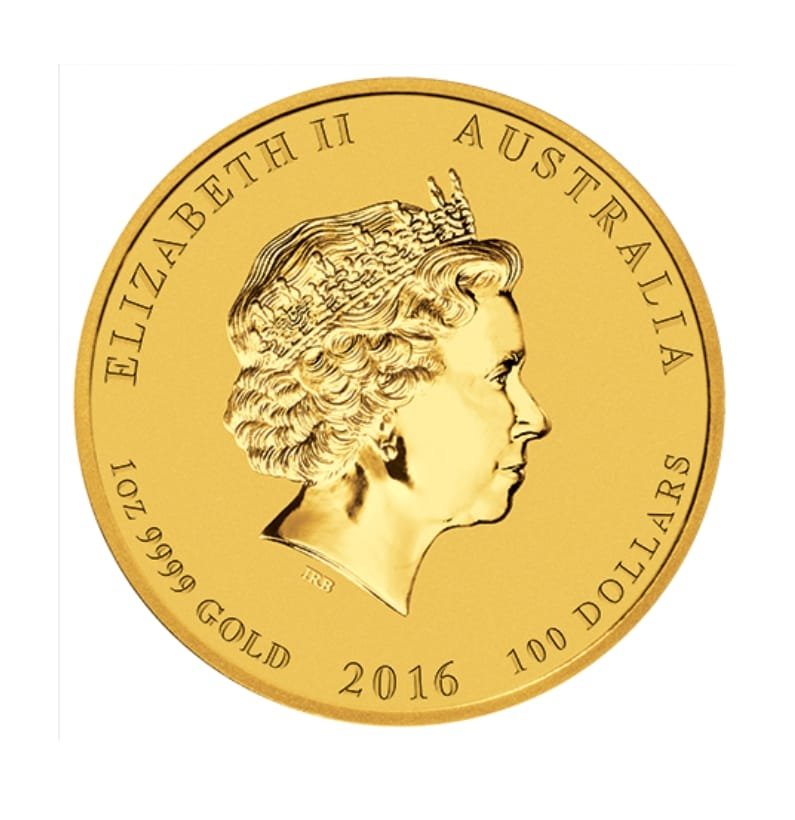
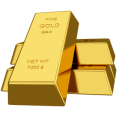
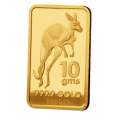
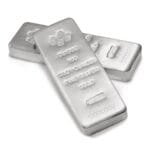
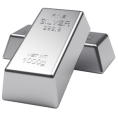
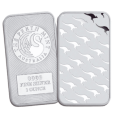
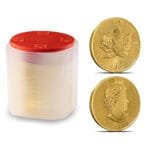
Recognizable, standard bullion gets the best prices. Government-minted coins (American Eagles, Canadian Maples, Britannias) and well-known bars from major refiners are easy for a dealer to resell, so they pay closest to spot. Generic rounds and smaller bars are a step behind. Scrap, damaged, or unmarked metal is priced as melt only — and sometimes less, because the buyer has to assay or refine it.
3. Condition and packaging
Bars still sealed in their original assay packaging, and coins in good condition, command better offers. Opened, scratched, or cleaned coins lose value — never clean your coins before selling. Tarnish on silver is normal and usually doesn’t hurt the price, but physical damage does.
4. Quantity
Larger lots often get slightly better per-ounce rates because the dealer’s handling cost is spread thinner. Selling one coin and selling fifty coins are different negotiations. If you’re selling a meaningful amount, say so upfront — it can improve the quote.
5. The buyer’s business model
Every buyer needs a margin to stay in business. The question is how big that margin is. Established bullion dealers work on thin margins and high volume. Pawn shops and hotel “gold buying” events work on fat margins and one-time customers. That difference is where your money goes.
One hard truth to accept before you sell: you will almost never recover the premium you paid when you bought. Premiums — the amount above spot you paid for minting, distribution, and retail markup — mostly belong to the seller’s side of the trade. When you sell, you’re selling metal, and metal is priced near melt. Rare or numismatic coins are the exception, not the rule.
Where to Sell: Dealer vs Local Shop vs Online Buyback
Local coin shop
The neighborhood coin dealer is the fastest option: walk in, get an offer, walk out with cash or a check the same day. Good shops are honest and competitive, especially for standard bullion they can resell quickly. The downside is selection — a small shop may not want everything you have, and their offer reflects what they can move locally. Best for: small-to-medium lots, sellers who want cash today, and anyone who values a face-to-face deal.
Online dealer buyback
Major online bullion dealers run buyback programs: you request a quote, ship your metal insured (they usually provide the label and instructions), and get paid after they verify it. These programs often pay the most competitive rates for standard bullion because they operate nationally with high volume. The tradeoff is time — shipping and verification take days — and you need to be comfortable mailing valuable metal. Only use dealers with a long track record and fully insured shipping both ways. Best for: standard coins and bars, larger lots, sellers who aren’t in a rush.
Refiners
If you have scrap, damaged, or unusual metal — broken jewelry, dental gold, unmarked bars — a refiner may be your best buyer. Refiners melt everything down and pay based on assayed metal content minus a refining fee. You won’t get a premium for form, but you’ll get a fair melt price for metal other buyers discount. Best for: scrap and damaged items.
Pawn shops and “we buy gold” events
These exist for convenience, and you pay dearly for it. Pawn shops typically offer a fraction of what a bullion dealer would — they’re lending businesses first, and they price for maximum margin on a quick flip. Hotel ballroom gold-buying events and mail-in envelopes with vague pricing are worse. Best for: almost nothing, unless you need cash in an hour and have no other option.
Private sale
Selling directly to another collector or investor — through a local coin club, a reputable forum, or a friend — can get you the highest price, since there’s no dealer margin. But it comes with real risk: counterfeit concerns, payment fraud, and personal safety. Meet in a public place or a bank, accept only verified payment, and never ship before payment clears. Best for: experienced sellers with numismatic or high-value pieces.
How to Compare Offers the Right Way
Don’t just compare dollar amounts when learning how to sell gold and silver — compare them correctly:
- Get at least three quotes. A local shop, an online buyback program, and one more of either. Three data points reveal the market for your specific items.
- Ask for the percentage of spot. A reputable buyer will tell you. If one buyer offers 95% of spot and another offers 88%, the choice is obvious regardless of how friendly the second one is.
- Compare like with like. Get quotes on the exact same items, on the same day. Spot moves, so a quote from Tuesday and a quote from Friday aren’t comparable.
- Read the fine print. Some buyers quote a high number then deduct “handling,” “assay,” or “shipping” fees. The only number that matters is what lands in your account.
- Don’t let urgency decide. “This offer is only good for the next hour” is a pressure tactic, not a market reality. Spot-based pricing doesn’t expire in an hour. Walk away from anyone who rushes you.
- Negotiate. Dealers expect it, especially on larger lots. A competing written quote is your best leverage — show it (or mention it) and ask if they can beat it.
If you’re still building your stack rather than selling it, our complete guide on how to buy gold covers what to look for on the buying side — and our gold vs. silver comparison helps you decide which metal fits your strategy before you ever need to sell.
What to Have Ready Before You Sell
Preparation takes an hour and routinely pays for itself when learning how to sell gold and silver:
- An inventory list. Every item, its weight, purity, and form. Photos help, especially for insurance during shipping.
- Receipts and assay certificates. Original purchase receipts and assay cards prove authenticity and can improve your offer, particularly for bars.
- Government ID. Legitimate dealers are required to record seller identification for larger transactions. Bring it; a buyer who doesn’t ask for ID on a significant sale is cutting corners somewhere.
- Realistic expectations. Know the spot price, know you’ll get melt minus a margin, and know that the premium you paid is mostly gone. Sellers who expect their full purchase price back are the easiest to disappoint — and the easiest to lowball, because frustration makes people accept bad offers.
- A plan for the proceeds. Decide in advance whether you’re selling everything or trimming a position. Selling under emotional pressure — a market dip, a sudden expense — is when mistakes happen. If you don’t need to sell now, you don’t have to.
Red Flags and Lowball Traps
Watch for these when learning how to sell gold and silver. Any one of them is reason to walk away:
- Vague pricing. “We’ll pay top dollar” without a percentage of spot or a written quote is not an offer, it’s a lure.
- Uninsured shipping. If a mail-in buyer doesn’t fully insure your shipment both ways, your metal is at risk the moment it leaves your hands.
- Bait-and-switch quotes. A high phone quote that drops sharply “after inspection” with no clear explanation of what changed.
- Pressure and secrecy. “Don’t tell other dealers about this offer,” countdown timers, or refusal to put the offer in writing.
- Testing fees for standard bullion. A dealer doesn’t need to charge you to test a sealed, recognizable bar. Assay fees are legitimate for scrap — not for standard products.
- Paying in gift cards or store credit. Cash, check, or bank transfer. Anything else is a discount disguised as payment.
Taxes on Selling Gold and Silver
When learning how to sell gold and silver, remember that in the United States, physical gold and silver are classified as collectibles for tax purposes. If you sell at a profit, the gain is generally taxable — and for collectibles held longer than one year, the maximum federal rate is 28%, higher than the standard long-term capital gains rate. Short-term gains (held one year or less) are taxed as ordinary income. Keep your purchase receipts: without a cost basis, the IRS may treat the full sale price as gain.
If you’re thinking about where to keep metals you plan to hold long-term, our guide on how to store gold and silver safely covers home safes, bank boxes, and private vaults.
Frequently Asked Questions
How much do dealers pay for gold and silver?
When learning how to sell gold and silver, note that for standard bullion, reputable dealers typically pay a high percentage of the live spot price — often in the mid-90s percent range for common gold coins and bars, with silver sometimes a bit lower due to higher handling costs relative to value. The exact percentage depends on the item, quantity, and market conditions. Always ask for the percentage of spot, not just a dollar figure.
Is it better to sell to a local shop or an online dealer?
Online buyback programs often pay slightly more for standard bullion due to higher volume, while local shops offer speed and cash on the spot. When learning how to sell gold and silver, weigh convenience against price: for a small lot you need to move today, a local shop wins; for a larger, standard lot, an online buyback quote is usually worth getting.
Should I sell all my gold and silver at once?
Not necessarily. Selling in portions lets you average your exit price across market moves and keeps some exposure if prices rise. It also reduces the risk of a single bad deal affecting your entire position. Decide based on why you’re selling, not on a single day’s price.
Do I get the premium back when I sell?
Almost never. Premiums are paid on the buying side for minting, distribution, and retail markup. When you sell, you’re selling metal priced near melt value. Numismatic and rare coins are the main exception — their collector value can exceed melt.
What paperwork do I need to sell gold and silver?
A government ID is standard for significant sales. Original receipts and assay certificates help prove authenticity and can improve your offer. Keep copies of everything, including the dealer’s receipt for your sale, for tax records.
Sell Smart, Not Fast
The difference between a good sale and a bad one is almost never timing the market perfectly — it’s preparation. Check spot, get three quotes, know what your metal is worth, and walk away from anyone who won’t be transparent about their pricing. That preparation is the heart of how to sell gold and silver well.
Ready to put the proceeds to work, or building your next position? Browse gold and silver bullion at Bullion Bridge Exchange — and if you’re just starting out, our 2026 gold buying guide is the place to begin.
Further reading:
- IRS rules on capital gains and collectibles: https://www.irs.gov/taxtopics/tc409
- How the LBMA sets the global benchmark for precious metals pricing: https://www.lbma.org.uk/
- How a major dealer buyback program works: https://www.apmex.com/sell-to-us
- Gold price context for timing your sale: https://bullionbridgeexchange.com/2026/10/26/gold-price-prediction-2026/