
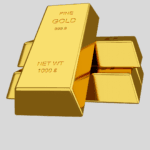

You don’t need thousands of dollars to start stacking precious metals. That’s the myth that keeps most people on the sidelines — the idea that gold and silver are only for people who can drop four figures on a single coin.
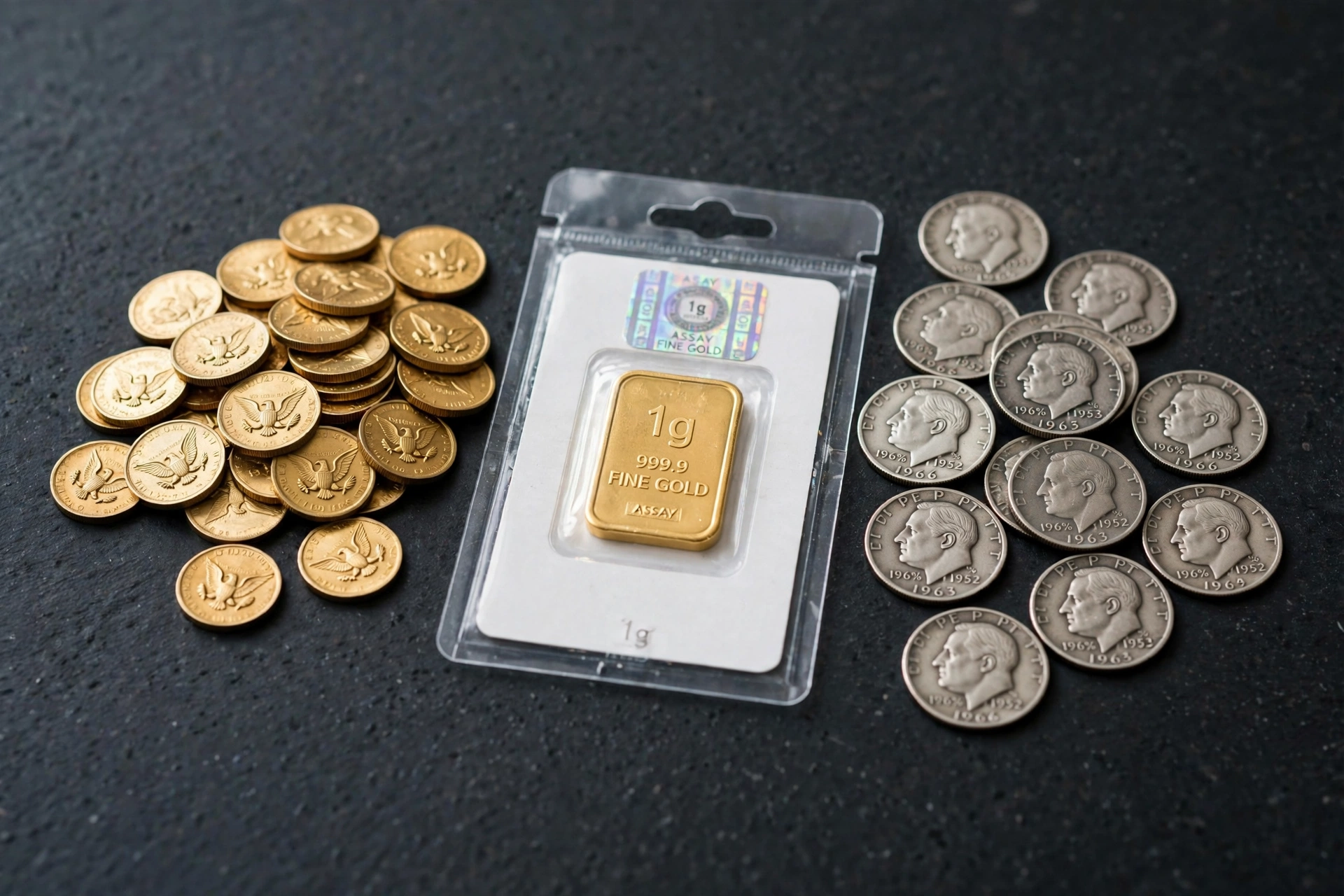
The truth is simpler: fractional gold and small silver exist precisely so you can build a real position a little at a time, on almost any budget. A tenth-ounce gold coin, a gram bar, a handful of old silver dimes — these are legitimate, liquid, and recognized forms of bullion. They just come in smaller packages.
This guide covers what to buy, what it costs relative to full-size bullion, and how to build a stacking plan that actually sticks.

Table of Contents
The Short Answer: Stacking on a Small Budget
Start with 1 oz silver rounds or bars and pre-1965 junk silver for the lowest cost per ounce, then add fractional gold (1/10 oz coins or 1g–5g bars) when you want gold exposure. Expect to pay a higher premium percentage on smaller items — that’s the price of divisibility — and stick to recognizable government coins and major refiners so everything you buy is easy to sell later.
What Fractional Gold Actually Is
Fractional gold is simply gold in pieces smaller than one troy ounce. The most common forms:
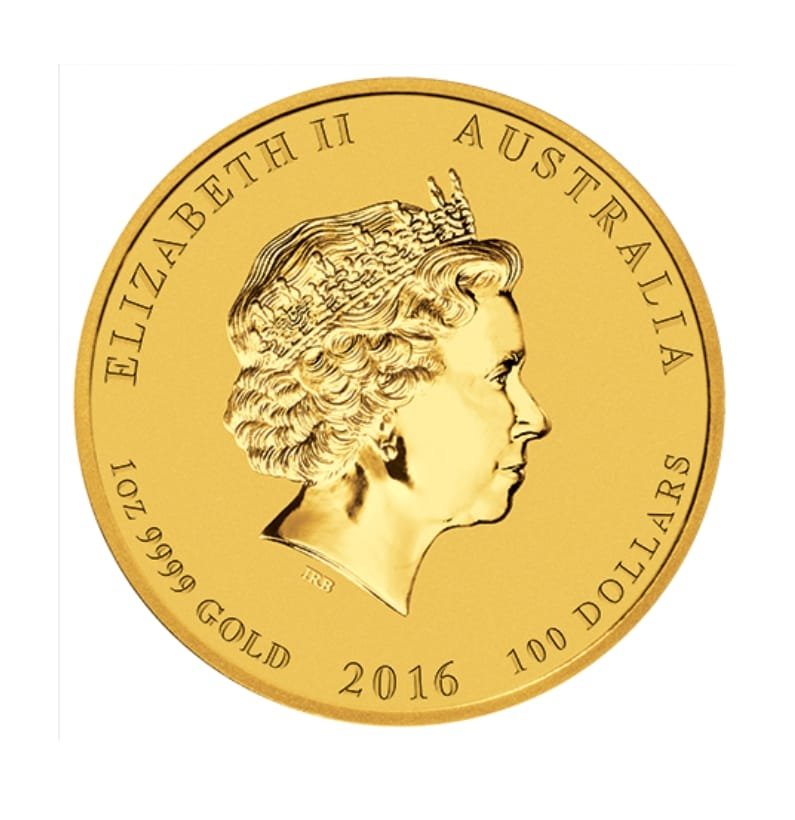
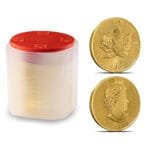
- Fractional coins: 1/10 oz, 1/4 oz, and 1/2 oz versions of major bullion coins — American Gold Eagles, Canadian Gold Maples, and South African Krugerrands all come in fractional sizes. These carry the same government backing and recognizability as their full-ounce versions.
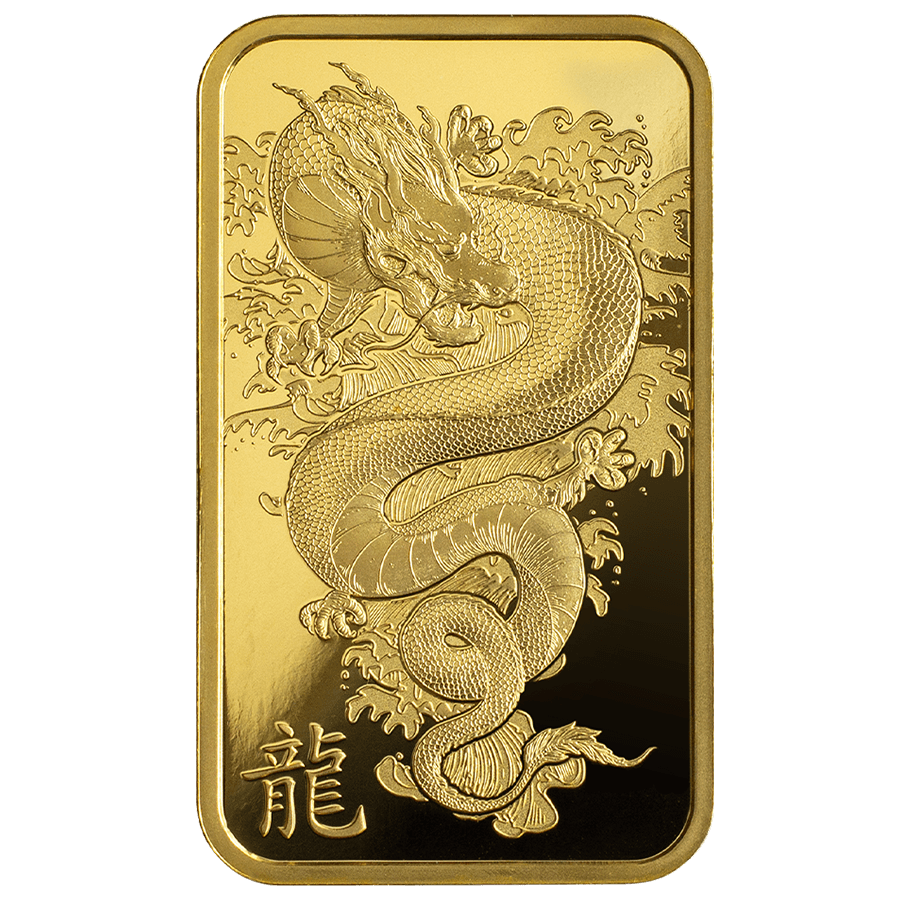
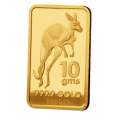
- Small bars: 1 gram, 2.5 gram, 5 gram, and 10 gram bars from refiners like PAMP Suisse, Valcambi, and Perth Mint, usually sealed in assay packaging with a certificate.
- Fractional rounds: smaller private-mint rounds, typically 1/10 oz or 1/4 oz, at lower premiums than government coins.
Why go fractional? Three reasons. First, entry cost: a 1/10 oz gold coin costs roughly a tenth of a full ounce plus premium, putting gold within reach of a modest monthly budget. Second, divisibility: if you ever need to sell part of your position, you can sell one small coin instead of liquidating a full ounce. Third, flexibility: small pieces are easier to gift, trade, or use as a store of value in smaller increments.
The tradeoff — and it’s real — is premium. Minting a 1/10 oz coin costs nearly as much in labor as minting a 1 oz coin, so that fixed cost is spread over one-tenth the metal. Expect fractional gold to carry a noticeably higher premium percentage than full ounces. You’re paying for divisibility and accessibility, and for most small-budget stackers, that’s a fair trade.
If you’re new to gold entirely, our complete guide on how to buy gold covers the fundamentals — forms, dealers, and how to avoid fakes — before you spend a dollar.
Small Silver: Your Best Friend on a Budget
Silver is where small budgets go furthest. Because silver trades at a fraction of gold’s price per ounce, even a modest amount of money buys real weight:
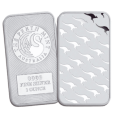
- 1 oz silver rounds: the workhorse of budget stacking. Private-mint rounds carry the lowest premiums in silver — often just a small amount over spot — and they’re universally recognized by dealers.
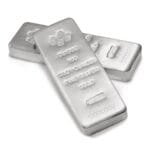
- 1 oz silver bars: similar to rounds, slightly more compact for storage. Major refiners’ bars are easy to resell.
- 5 oz and 10 oz bars: a step up in size with slightly lower premiums per ounce than 1 oz pieces, good once your budget grows a bit.
- Government silver coins: American Silver Eagles, Canadian Silver Maples, and Britannias cost more than rounds (higher premiums for government backing and recognizability), but they’re the easiest silver in the world to sell later.
For a beginner on a tight budget, 1 oz rounds are hard to beat: lowest premium, instantly liquid, and every additional round visibly grows the stack. If you want the full beginner walkthrough, our guide on how to buy silver breaks down coins vs. bars vs. rounds in detail.
Junk Silver: The Budget Stacker’s Secret Weapon
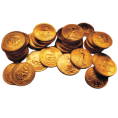
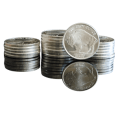
Junk silver is the nickname for pre-1965 U.S. dimes, quarters, and half dollars — coins minted when U.S. circulating coinage was 90% silver. They’re called “junk” because they have no numismatic premium; they’re valued purely for their silver content. And that makes them one of the best deals in stacking.
Here’s the key fact: $1.00 in face value of 90% silver coinage contains approximately 0.715 troy ounces of pure silver. So $10 face value is roughly 7.15 ounces of silver, usually sold at a modest premium over melt. Junk silver is typically sold in bags by face value — $10, $50, or $100 face — and it’s instantly recognizable to any dealer in the country.
Why stackers love it:
- Divisibility built in. A single dime is a tiny unit of silver. You can sell or trade small amounts without touching the rest of your stack.
- Recognition. Every coin dealer in America knows what a 1964 quarter is. No assay, no explanation needed.
- Low premium. Junk silver usually trades close to its melt value, making it one of the cheapest ways to own silver per ounce.
- History. There’s something satisfying about holding coins that actually circulated — and that story makes them great for teaching kids about money.
The main downside is bulk: silver is heavy, and junk silver takes up more space per ounce than a compact bar. If storage space is tight, our guide on how to store gold and silver safely covers options from home safes to vaults.
The Premium Tradeoff You Need to Understand
Every bullion purchase involves a premium — the amount you pay above the live spot price. Premiums cover minting, distribution, dealer margin, and (for government coins) the mint’s own markup. The pattern is consistent: the smaller the item, the higher the premium percentage.
A 1 oz gold coin might carry a single-digit premium percentage. A 1/10 oz coin of the same design can carry multiples of that percentage. A 1 gram bar carries more still. This isn’t a ripoff — it’s arithmetic. Fixed production costs spread over less metal mean a higher percentage markup.
How to think about it as a budget stacker:
- Don’t obsess over premium on your first purchases. Getting started matters more than optimizing your first 1/10 oz coin to the last percent.
- Balance premium against divisibility. A slightly higher premium on fractional gold buys you the ability to sell small pieces later. That’s worth something.
- For silver, prioritize low premium. Silver’s lower price per ounce means premiums eat a bigger share of your money. Favor 1 oz rounds and junk silver over high-premium limited editions.
- Compare premiums across dealers before every purchase. The same coin can vary meaningfully between sellers, and the gap is widest on small items.
The goal isn’t the lowest premium on earth — it’s a stack of recognizable metal you can hold, grow, and sell without friction. Our gold vs. silver comparison can help you decide how to split your budget between the two metals.
A Simple Monthly Stacking Plan
You don’t need a complicated strategy. Here’s a plan that works on almost any budget:
- Set a fixed monthly amount you won’t miss. Consistency beats size. A regular small purchase builds a stack faster than occasional large ones you keep postponing.
- Start with silver. In month one and two, buy 1 oz silver rounds and, if available, a small bag of junk silver. You’ll see your stack grow immediately, and you’ll learn the buying process with lower stakes.
- Add fractional gold once you’re comfortable. After a few silver purchases, add a 1/10 oz gold coin or a 1g–5g bar. Now you hold both metals.
- Alternate or split. Some stackers alternate months (silver one month, gold the next); others split each month’s budget between the two. Either works — pick the rhythm you’ll actually maintain.
- Track what you own. A simple spreadsheet — item, weight, purchase date, price paid, dealer — keeps your records clean for insurance and for tax time if you ever sell.
- Store it properly from day one. Even a small stack deserves a real home: a small safe, a secure hiding spot you control, or a bank box. Don’t leave it in a drawer.
The magic of this plan is compounding habit, not market timing. Stackers who buy steadily through ups and downs end up with more metal — and less regret — than those waiting for the “perfect” price.
What to Avoid When Stacking Small
Small budgets attract traps. Steer clear of these:
- Numismatic and graded coins. A coin graded MS-70 with a collector premium is not a stacking purchase — it’s a speculation on collector demand, and that premium usually evaporates when you sell. Stack bullion, not collectibles.
- Limited editions and gimmicks. Colorized coins, holiday editions, and “exclusive” sets carry huge premiums for novelty that dealers won’t pay back.
- Unallocated accounts. If you don’t hold specific metal, you hold a claim. For a stacker on a budget, physical metal in your possession (or in allocated storage) is the point.
- Leveraged or “pay monthly” metal schemes. Some programs sell you metal on installment at inflated prices with fees. Buy outright, from a reputable dealer, at a transparent price.
- Obscure mints and unknown brands. If a dealer would hesitate to buy it back, don’t buy it in the first place. Stick to government mints and major refiners.
Frequently Asked Questions
Is fractional gold worth it despite the higher premium?
Yes, for most small-budget stackers. The higher premium buys you divisibility and a lower entry price — you can own gold at all, and sell small pieces later without liquidating a full ounce. If your budget grows to full ounces, premiums drop, but don’t let perfect be the enemy of started.
What is junk silver, exactly?
Pre-1965 U.S. dimes, quarters, and half dollars, which are 90% silver. They’re valued for melt content, not collector value. $1.00 in face value contains about 0.715 troy ounces of pure silver, and junk silver typically trades close to melt value.
Should I buy silver rounds or government coins on a budget?
Rounds for lowest cost, government coins for maximum liquidity. Rounds carry lower premiums; Eagles and Maples cost more but are the easiest silver to sell anywhere. Many budget stackers hold both — rounds for bulk, government coins for flexibility.
How much silver should a beginner buy first?
Start with what your budget allows without stress — even a few ounces is a real start. A common beginner milestone is 10–20 ounces of silver before adding gold, but there’s no rule. The right first purchase is one you can afford comfortably and repeat monthly.
Is 1 gram of gold too small to bother with?
No — 1g bars are a legitimate entry point, especially sealed in assay packaging from a major refiner. The premium percentage is high, but the absolute cost is low, and it’s real, resellable gold. Think of it as a starting point, not a destination.
Start Small, Stack Steady
You don’t need a windfall to own precious metals. A few silver rounds this month, a fractional gold coin next month, a handful of old dimes when you find a good price — that’s how real stacks are built. Not in one dramatic purchase, but in dozens of small, deliberate ones.
Ready to start? Browse gold and silver bullion at Bullion Bridge Exchange — and if you’re weighing the two metals, our gold vs. silver comparison will help you split your budget with confidence.
Further reading:
- U.S. Mint coin specifications and programs: https://www.usmint.gov/
- How the LBMA sets the global benchmark for precious metals pricing: https://www.lbma.org.uk/
- How to check you’re buying real bullion (and what to do when you sell): https://bullionbridgeexchange.com/2026/11/02/how-to-sell-gold-and-silver/