

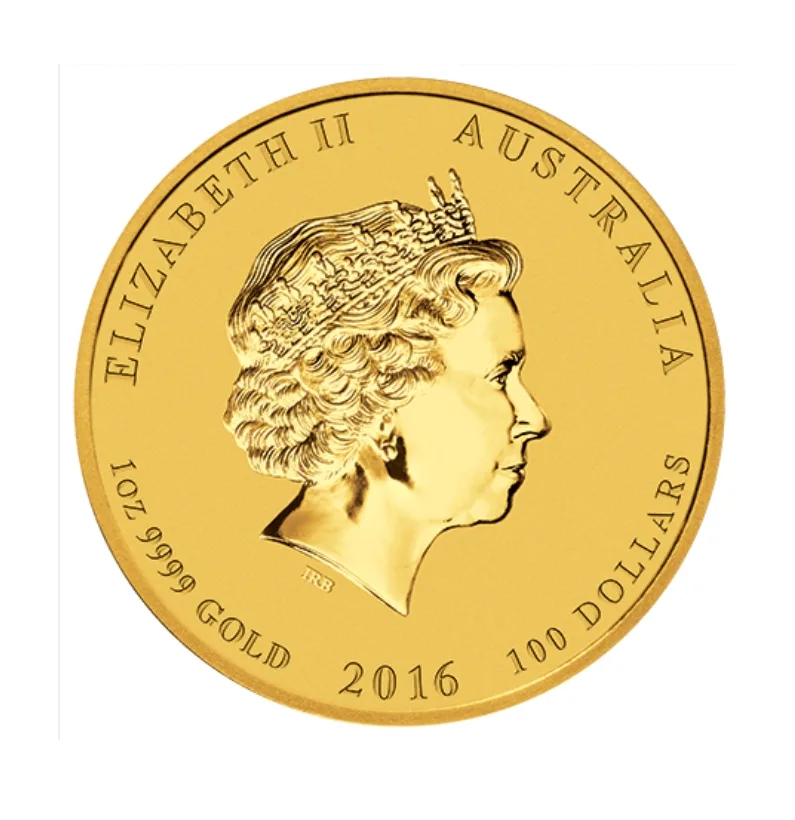
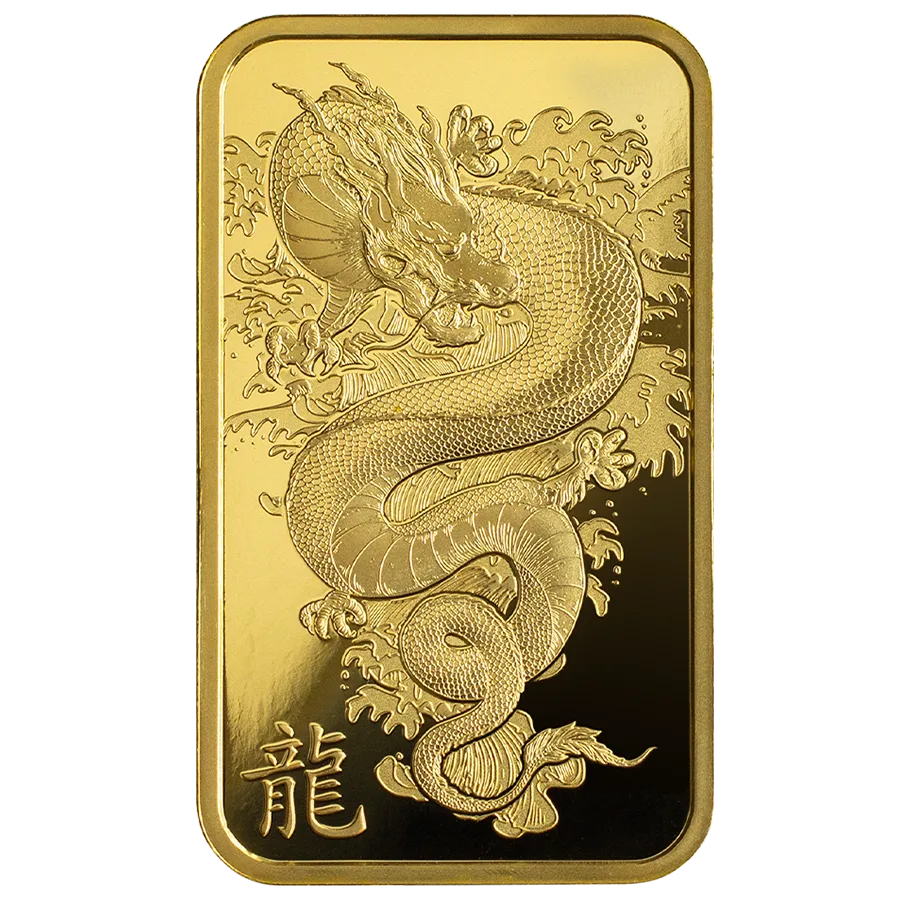



You check the gold price: $3,883 an ounce. You go to buy a 1 oz gold coin and the price is $4,166. Same ounce, $283 more. Nobody is scamming you — but nobody explains the gap either, so it feels like a markup with no explanation.
That gap has a name: the gold premium over spot. It’s the difference between the wholesale spot price and the retail price you actually pay. This guide explains what spot is, what the premium pays for, how much you should expect to pay for each type of product, and how to calculate the premium on any coin or bar before you buy.
Table of Contents
- The Short Answer: Why Does Gold Cost More Than Spot?
- What Is the Spot Price, Really?
- What Is the Premium?
- What the Premium Actually Pays For
- Typical Gold Premium Over Spot by Product and Size
- Worked Example: The Real Premium on a Gold Eagle
- Why Premiums Spike — and When They Fall
- Premiums on Silver vs Gold: Same Math, Bigger Numbers
- How to Calculate the Gold Premium Over Spot on Any Product
- How to Compare Dealers Fairly
- When Is the Best Time to Buy? Reading the Premium Cycle
- Frequently Asked Questions
The Short Answer: Why Does Gold Cost More Than Spot?
Gold costs more than spot because the spot price is the wholesale price of a 400 oz Good Delivery bar traded between institutions — a price no retail buyer can access. The premium you pay on top covers fabrication (refining, minting, assaying), the mint’s markup, distribution, and the dealer’s margin. A 1 oz gold coin typically costs 3–8% over spot; a 1 oz bar 1.5–5%; a 1 kg bar 1–3%. Smaller products always carry higher premiums, and premiums rise when demand surges.
What Is the Spot Price, Really?
The spot price is the current market price for immediate delivery of gold in bulk — specifically, 400 oz Good Delivery bars (about 12.4 kg each) traded between banks, refiners, and institutions. It is a wholesale benchmark, not a retail price.
The most widely used spot benchmark is the LBMA Gold Price, set twice a day in London — 10:30 AM and 3:00 PM — and administered by ICE Benchmark Administration since March 20, 2015. It is the reference price the entire industry uses to value gold. When a website says “gold is $3,883 an ounce,” it means the LBMA price (or a live feed tracking it) for a 400 oz bar.
That distinction matters. You cannot buy a 400 oz bar at spot — it weighs 27 pounds and costs about $1.55 million at today’s price. And even if you could, you would still pay for refining, transport, insurance, and storage. The spot price is the price of raw metal in bulk, at the top of the supply chain. Every step down the chain — refining it into a coin, stamping it, shipping it, insuring it, selling it — adds cost.
For the full picture of how spot works, read our cross-site explainer on what the spot price is and how it is set.
What Is the Premium?
The premium is simply the difference between the retail price of a specific product and the value of the metal inside it:
Premium = retail price − (spot price × ounces of gold)
Expressed as a percentage of the metal’s value, it tells you how much extra you are paying for everything that is not the metal itself. A $4,166 coin with $3,883 of gold in it carries a $283 premium — 7.3%.
The premium is not a fee a dealer invents. It is the real cost of turning bulk gold into a finished, guaranteed, deliverable product and getting it to you. But not all of it is cost — some of it is margin, and the margin is where dealers differ.
What the Premium Actually Pays For
Five things, in order of how the gold flows from the vault to your hands:
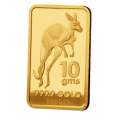
1. Fabrication. Raw gold is refined to .9999 purity, then cast or minted into bars and coins. Coins are more expensive to make than bars: they need dies, striking, quality control, and anti-counterfeit features. A 1 g bar costs nearly as much to fabricate as a 1 oz bar — which is why small products carry huge percentage premiums.
2. The mint’s markup. Government mints (U.S. Mint, Royal Canadian Mint) and private refiners (PAMP Suisse, Valcambi) charge for their name. The markup pays for the design, the brand, and — most importantly — the guarantee: the mint certifies the weight and purity, and dealers and buyers trust that certification worldwide. An American Gold Eagle costs more than a generic 1 oz bar because the U.S. Mint’s name is worth something at resale.
3. Distribution. Gold moves from the mint to a wholesaler, from the wholesaler to a dealer, from the dealer to you. Each step adds transport, insurance, and handling — and each middleman takes a cut.
4. The dealer’s margin. Rent, staff, website, payment processing, insured shipping, and the cost of holding inventory. Dealers also carry risk: they buy inventory at one price and sell it later, and if spot falls in between, they lose money on the metal they hold.
5. Supply and demand. When demand surges — a market crash, a geopolitical shock, a gold rush — mints cannot increase production instantly, and dealers raise premiums because the product is scarce. Premiums are a market price, not a fixed cost, and they move with demand.
Typical Gold Premium Over Spot by Product and Size
The pattern is consistent across every dealer: bigger products and simpler forms cost less per ounce. Typical ranges from dealer research and our own guide to buying gold:
| Product | Typical premium over spot |
|---|---|
| 1 kg gold bar | 1–2% |
| 10 oz gold bar | 1–3% |
| 1 oz gold bar | 1.5–5% |
| 1 oz gold coin (Maple Leaf, Britannia, Krugerrand) | 3–6% |
| 1 oz American Gold Eagle | 5–8% |
| 1/4 oz gold coin | 7–10% |
| 1/10 oz gold coin or 1 g gold bar | 12–25% |
Two rules to take from that table. First, size dominates: a 1 kg bar carries a fraction of the premium of a 1 g bar, because fabrication and distribution cost roughly the same per piece regardless of size. Second, coins cost more than bars: you pay for the mint’s design, guarantee, and resale recognition — and you get most of it back when you sell, because coins are easier to resell than bars. Our gold bars vs gold coins guide breaks down that trade-off in full.
Worked Example: The Real Premium on a Gold Eagle
Here is the math on two real products from our own shop, using the live spot price from November 15, 2026 — $3,883.45 per ounce (GoldPrice.com, 6:14 AM ET).
Example 1: 1 oz American Gold Eagle BU, mixed years — $4,166.54
- Metal value: 1 oz × $3,883.45 = $3,883.45
- Premium: $4,166.54 − $3,883.45 = $283.09
- Premium percentage: $283.09 ÷ $3,883.45 = 7.3%
Example 2: 2023 1 oz Canadian Gold Maple Leaf BU — $4,090.88
- Metal value: 1 oz × $3,883.45 = $3,883.45
- Premium: $4,090.88 − $3,883.45 = $207.43
- Premium percentage: $207.43 ÷ $3,883.45 = 5.3%
Both coins are 1 oz of gold. The Eagle costs $75.66 more than the Maple Leaf because the Eagle carries the highest premium of any major government coin — its recognition and liquidity are unmatched, and dealers know they can resell it instantly. The Maple Leaf is the better value per ounce; the Eagle is the better resale. Which one is right depends on whether you plan to sell it soon or hold it for decades.
Try the same calculation on any product you are considering. If the premium is far above the typical range for that product — say 15% on a 1 oz bar — either the market is in a demand spike or the dealer is overcharging. If the premium is at or below spot, walk away: nobody sells real gold below its metal value.
Why Premiums Spike — and When They Fall
Premiums are not fixed. They expand and contract with market conditions, and understanding the cycle saves you money.
Premiums spike when:
- Demand surges. In 2020, when COVID hit, Eagle premiums jumped to 10–15% because the U.S. Mint could not produce coins fast enough. In 2025–26, with gold at all-time highs, coin premiums have stayed elevated for the same reason.
- Supply is constrained. Mints have fixed production capacity. When they sell out, dealers ration the remaining stock with higher premiums.
- Spot falls sharply. Dealer shelf prices adjust with a lag, especially downward. After a sharp drop in spot, the premium on existing inventory looks high until prices catch up — this is exactly what happened to silver premiums in November 2026, where a falling spot made dealer prices look expensive overnight.
Premiums fall when:
- Demand cools. Calm markets mean mints catch up, dealers compete on price, and premiums compress toward the bottom of the typical ranges.
- You buy bigger. A 1 oz bar always carries a lower premium than a 1/10 oz coin, in any market, because the fabrication cost is spread over more metal.
- You buy bars instead of coins. Bars skip the mint’s design and branding premium entirely.
Gold’s price itself has been on a strong run — our gold price prediction for 2026 covers the drivers. But remember: when the gold price rises, premiums do not necessarily rise with it. Spot and premium are two separate numbers, and they often move in opposite directions.
Premiums on Silver vs Gold: Same Math, Bigger Numbers
The premium formula is identical for every metal — price minus metal value, divided by metal value. But the percentages look very different, because the metal’s price per ounce changes what the fixed costs are worth.
On November 15, 2026, a 1 oz American Gold Eagle cost $4,166.54 against a gold spot of $3,883.45 — a 7.3% premium. On the same day, a 1 oz American Silver Eagle cost $65.74 against a silver spot of $48.74 — a 34.9% premium. Same mint, same 1 oz size, wildly different percentages. The reason is arithmetic, not gouging: it costs roughly the same to strike, package, ship, and insure a 1 oz coin whether the metal inside is worth $3,883 or $49. That fixed cost is a small slice of a gold coin’s value and a large slice of a silver coin’s value.
The same effect shows up across silver products. A 10 oz silver bar carried a 31.4% premium on November 15, against a 1 oz gold bar’s 1.5–5%. Silver’s premiums are also more volatile: because silver spot fell sharply in recent weeks, dealer shelf prices lagged and computed premiums looked even higher than usual. Our silver coins vs bars vs rounds guide works through the silver numbers in full.
The lesson for buyers: do not compare premium percentages across metals. A 35% premium on silver and a 7% premium on gold are both normal for their metal. Compare the premium against the typical range for the same product, in the same metal, on the same day. That is the only comparison that tells you whether you are overpaying.
How to Calculate the Gold Premium Over Spot on Any Product
Use this formula before every purchase:
- Find the live spot price — GoldPrice.com, Kitco, or any live feed. Note the time, because spot moves all day.
- Multiply spot by the product’s gold content in ounces. A 1 oz coin is 1 oz. A 100 g bar is 3.215 oz. A 1/10 oz coin is 0.1 oz. (A troy ounce is 31.1035 grams — use troy ounces, not regular ounces.)
- Subtract the metal value from the retail price. That is the premium in dollars.
- Divide the premium by the metal value and multiply by 100. That is the premium percentage.
- Compare the percentage against the typical range for that product in the table above.
If the number is in range, you are paying a fair price. If it is far above range, compare the same product at two other dealers before you buy. If it is far below range, be suspicious — no legitimate dealer sells gold below its metal value.
How to Compare Dealers Fairly
Three rules that protect you:
- Compare the total price, not the premium alone. A dealer advertising a “low premium” may add a 3–4% credit card surcharge or $30 shipping. The number that matters is the total amount leaving your account.
- Compare the exact same product. A 2023 Maple Leaf and a 2025 Maple Leaf are the same metal, but a “random year” Eagle and a current-year Eagle can carry different premiums. Compare like for like.
- Check the buyback, not just the sale price. When you eventually sell, the dealer’s buyback price determines what you actually keep. A dealer with a 7% sale premium and a 2% buyback spread is cheaper overall than a dealer with a 5% sale premium and a 6% buyback spread. Our guide to selling gold without getting lowballed covers the buyback side in detail.
When Is the Best Time to Buy? Reading the Premium Cycle
Premiums follow a cycle, and the cycle is driven by demand, not by the spot price. Understanding where you are in the cycle is worth real money.
Premiums are lowest in calm markets. When gold is quiet, mints catch up with orders, dealers compete on price, and premiums compress toward the bottom of the typical ranges — 1–2% on kilo bars, 3–5% on 1 oz coins. If you are buying for the long term and there is no urgency, a calm market is the cheapest time to buy.
Premiums are highest in demand spikes. A market crash, a geopolitical shock, a gold rush — whenever buyers flood in faster than mints can produce, premiums expand. In 2020, Eagle premiums reached 10–15%. In 2025–26, with gold at all-time highs, coin premiums have stayed elevated. Buying in a spike means paying for other people’s urgency.
The cheapest strategy is usually the most boring one: dollar-cost averaging. Buy a fixed amount on a regular schedule — a 1 oz coin a month, a 10 oz bar a quarter — regardless of the premium that day. You will sometimes pay a high premium and sometimes a low one, and over a year the average lands near the middle of the range. It also removes the temptation to time the market, which almost nobody does well.
Buy bigger when you can. The premium cycle affects small products most. A 1 g bar’s premium can double in a demand spike; a kilo bar’s barely moves. If your budget allows, fewer large purchases beat many small ones on premium alone — and the fractional gold and silver guide explains when small pieces are still worth it despite the premium.
And remember the lag. Right after a sharp drop in spot, premiums look high because dealer prices have not caught up yet. That is often a bad time to judge a dealer’s fairness — and sometimes a good time to wait a week and let prices settle before you buy.
Frequently Asked Questions
Why is gold more expensive than spot price?
Because spot is the wholesale price of a 400 oz bar traded between institutions. The premium you pay covers refining, minting, the mint’s markup, distribution, the dealer’s margin, and supply and demand. A 1 oz gold coin typically costs 3–8% over spot; a 1 oz bar 1.5–5%.
What is a good premium to pay for a 1 oz gold coin?
In a calm market, 3–6% for a Maple Leaf, Britannia, or Krugerrand and 5–8% for an American Gold Eagle. In a demand spike, premiums can run several points higher. If a dealer is charging 15% on a 1 oz coin, compare the same coin at two other dealers before buying.
How do I calculate the gold premium?
Subtract the metal value (spot price × ounces) from the retail price, then divide by the metal value. Example: a $4,166.54 Eagle at $3,883.45 spot carries a $283.09 premium — 7.3%.
Do premiums go up when gold prices rise?
Not necessarily. Spot and premium are separate numbers. Premiums rise when demand for the physical product outstrips mint and dealer supply — which can happen while spot is flat or even falling. In fact, premiums often look highest right after a sharp drop in spot, because dealer prices adjust with a lag.
Is it better to buy gold bars or coins to minimize premiums?
Bars, always — a 1 oz bar typically costs 1.5–5% over spot versus 3–8% for a 1 oz coin. But coins are easier to sell and more widely recognized, so many buyers accept the higher premium for the liquidity. If your only goal is the lowest premium per ounce, buy the largest bar you can afford.
Next step: Now that you can calculate a premium, try it on a real product — a 1 oz American Gold Eagle or a 1 oz Canadian Gold Maple Leaf — using today’s spot price, and compare the result against the typical ranges above. If you are weighing gold against silver, read gold vs silver: which should you buy in 2026? for the full comparison.