


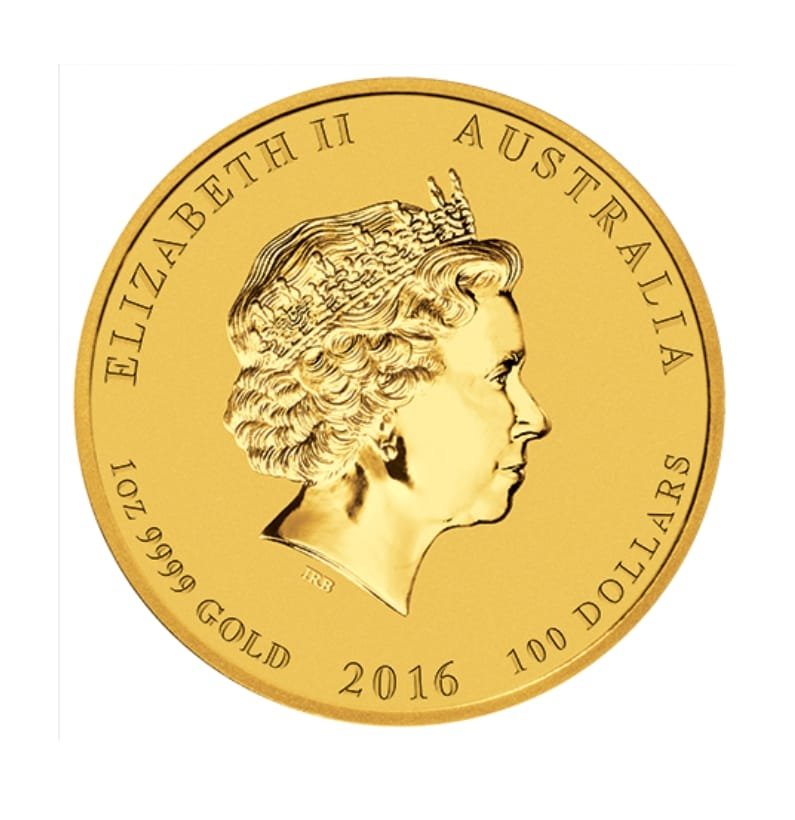






If you’re buying gold for the first time, the first decision isn’t which dealer to use or how much to spend. It’s a simpler one that shapes everything after it: bars or coins?
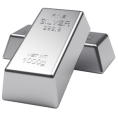
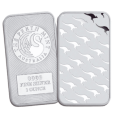
Gold bars vs gold coins is the question every new buyer asks, and the honest answer is that neither is universally better. Bars usually give you more metal for your money. Coins are usually easier to sell in small pieces and easier for the next buyer to trust. Which one you should buy first depends on what you’re buying gold for — and the smartest portfolios tend to hold both, in a deliberate ratio.
This guide compares bars and coins on the five things that actually matter: premium, liquidity, divisibility, storage, and trust — so you can make your first purchase with confidence.
Table of Contents
- The Short Answer: Bars or Coins First?
- What You’re Actually Paying For: Premiums Explained
- Liquidity: How Easy Is It to Sell?
- Divisibility: Selling a Little Without Selling It All
- Storage and Handling
- Trust and Counterfeit Risk
- Who Should Buy Bars First
- Who Should Buy Coins First
- The Case for Owning Both
- Frequently Asked Questions
The Short Answer: Bars or Coins First?
If your goal is to accumulate the most gold per dollar, buy bars first — they typically carry lower premiums over spot. If your goal is flexibility — selling small amounts easily, or holding something any dealer on earth will recognize instantly — buy coins first, especially widely traded government coins like American Gold Eagles, Canadian Gold Maple Leafs, or Britannias. Most long-term buyers end up with both: bars for bulk value, coins for flexibility.
What You’re Actually Paying For: Premiums Explained
Every piece of gold you buy costs more than the metal is worth on the open market. That markup is called the premium, and it’s the single biggest cost difference between bars and coins.
The premium covers minting, distribution, dealer margin, and — for coins — the design, striking, and government backing. Bars are simpler to produce: refined metal poured or minted into a plain shape, often sealed in assay packaging. Coins go through a more involved striking process and carry legal-tender status, which adds cost at every step.
The practical result: bars generally carry lower premiums than coins of the same weight. A 1 oz gold bar usually costs less than a 1 oz gold coin, even though both contain the same ounce of gold. The gap widens on larger bars — a 10 oz or 1 kilo bar spreads its production cost across far more metal, so the per-ounce premium drops further.
But premiums cut both ways. You pay a premium when you buy, and you generally don’t recover it when you sell. Dealers buy back based on metal content, not on what you paid. So the lower premium on bars isn’t just a saving at purchase — it’s also less money lost to the buy-sell spread over the life of your holding.
That said, don’t let premium be your only metric. A slightly higher premium on a coin you can sell anywhere, in any quantity, can be worth more than a rock-bottom premium on a bar that’s awkward to move. Premium matters most when you’re buying in bulk and holding long-term — and it helps to understand where the gold price itself may be headed, which is why it’s worth reading gold price predictions for 2026 before timing a large purchase.
Liquidity: How Easy Is It to Sell?
Liquidity is how fast you can turn your gold back into cash at a fair price — and here, coins have a real edge.
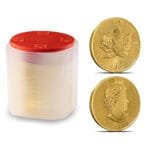
Government-minted coins are the most liquid form of physical gold in the world. An American Gold Eagle or Canadian Gold Maple Leaf is recognized by virtually every dealer, pawn shop, and coin shop on the planet. The buyer doesn’t need to verify the mint, weigh it with suspicion, or wonder about its origin. That instant recognition translates into faster sales and tighter buy-back spreads.
Bars are liquid too, but with more friction. A sealed bar from a well-known refiner — PAMP Suisse, Valcambi, Perth Mint, or a major national mint — sells readily. But a generic or lesser-known bar may need assay verification before a dealer will pay full price, which costs time and sometimes money. Larger bars are harder still: fewer buyers can absorb a 1 kilo bar in a single transaction, so you may wait longer or accept a wider spread.
The rule of thumb: the more recognizable the item, the more liquid it is. Coins win on recognition. Branded bars from major refiners are a close second. Unbranded or obscure bars trail behind.
Divisibility: Selling a Little Without Selling It All
This is where coins pull clearly ahead for most buyers.
Life doesn’t always need you to sell everything at once. Maybe you want to raise a few thousand dollars, not liquidate your whole position. With coins, you sell one coin — or five — and keep the rest. With a single large bar, your only option is to sell the whole bar or find a dealer willing to buy a fraction of it, which most won’t do.
Fractional coins make this even more flexible. Gold coins come in 1 oz, 1/2 oz, 1/4 oz, and 1/10 oz sizes, so you can match a sale to the amount you actually need. Some mints also produce divisible bars — sometimes called combibars — that snap apart into smaller units, which closes part of this gap. But for pure flexibility, a stack of smaller coins is still the most practical setup.
If you’re buying a meaningful amount of gold, think about divisibility before you buy, not after. A portfolio of smaller units is almost always more useful than one large unit of the same total weight.
Storage and Handling
Bars win on pure storage efficiency. They’re uniform, stackable, and pack tightly into a safe or safe-deposit box. A dozen 1 oz bars take up barely more room than a deck of cards.
Coins take more space per ounce and need more care. Loose coins rattle, scratch, and lose condition — and condition affects resale value, especially for proof or uncirculated pieces. Coins belong in tubes, flips, or capsules, which adds bulk. That said, the difference is modest at the scale most people buy. Unless you’re storing kilos of metal, storage shouldn’t drive your decision.
Handling matters more than space. Never handle bullion coins with bare hands if you can avoid it, and never clean a coin — cleaning destroys surface value instantly. Bars in sealed assay packaging should stay sealed; breaking the seal can reduce what a dealer will pay, since the assay card is part of the verification.
For a deeper look at keeping your metal safe, see our guide to how to store gold and silver safely.
Trust and Counterfeit Risk
Counterfeiting is a real concern in physical gold, and form affects how exposed you are.
Coins from major government mints carry built-in security features: reeded edges, precise dimensions, micro-engraving, and — in newer issues — advanced anti-counterfeit elements. Their designs are widely documented, so a knowledgeable dealer can spot a fake quickly. Bars from major refiners carry assay certificates and serial numbers, and sealed bars can be verified against the refiner’s records.
The risk concentrates in two places: unbranded bars and deals that seem too good to be true. An unmarked bar with no assay certificate is hard to verify without testing, which is exactly why dealers discount them. And any seller offering gold far below market price is either selling fakes or running a scam — there are no bargains in bullion.
Whatever form you buy, buy from established dealers with a track record, keep your receipts and assay certificates, and be skeptical of private sellers you can’t verify. Our companion guide to spotting fakes covers the verification tests in detail.
Who Should Buy Bars First
Bars are the better first purchase if:
- You’re buying in bulk. If your first purchase is several ounces or more, bars give you the most metal per dollar, and the premium savings are meaningful at that scale.
- You’re holding long-term and don’t expect to sell in pieces. If the gold is a long-term store of value you plan to hold for years, divisibility matters less and low premiums matter more.
- You’re cost-focused above all else. If your priority is maximizing ounces owned, bars are the efficient choice.
Start with sealed bars from a major refiner, in sizes you could realistically sell later — 1 oz and 10 oz bars are far easier to move than a single kilo bar.
Who Should Buy Coins First
Coins are the better first purchase if:
- You’re starting small. A single 1 oz or fractional coin is the natural entry point, and coins hold their value well at small sizes.
- You want maximum flexibility. If you might need to sell part of your holding, coins let you do it in small, clean increments.
- You value instant recognition. If you want something any dealer in any country will accept without question, government coins are unmatched.
- You’re buying for a gift or inheritance. Coins are more presentable, more personal, and easier for a non-expert recipient to understand and later sell.
Start with widely traded coins — American Gold Eagles, Canadian Gold Maple Leafs, or Britannias — and avoid obscure or commemorative issues for your first purchases. Standard bullion sells fastest.
The Case for Owning Both
Most experienced buyers don’t pick a side permanently. They build a core of bars for bulk value and a layer of coins for flexibility — and the ratio shifts with their goals.
A practical starting mix for a new buyer: put the bulk of your first purchase into a low-premium bar or two, and add a few widely recognized coins alongside them. You get the cost efficiency of bars and the liquidity of coins in one portfolio. As your holdings grow, keep the same logic: bars for weight, coins for optionality.
One more consideration that applies to both forms: know the spot price before you buy, compare at least two or three dealers, and keep your purchase records. Good records matter when you eventually sell — and if you sell at a profit, they matter for taxes too. Our guide to how to sell gold and silver without getting lowballed covers the selling side in detail.
Frequently Asked Questions
Are gold bars vs gold coins a better investment?
Neither is inherently a better investment — both track the price of gold. Bars usually cost less per ounce because of lower premiums, while coins offer better liquidity and divisibility. Your goals decide which matters more.
Do gold coins hold their value better than bars?
In terms of metal value, they move together with the gold price. Coins can sometimes command a slightly better resale spread because of their recognizability, but you also paid a higher premium upfront. Over long holding periods, the difference is usually small.
What size gold bar should a beginner buy?
A 1 oz bar is the sweet spot for most beginners: low enough premium to be efficient, small enough to sell without difficulty. Larger bars (10 oz and up) make sense once your total holdings are large enough that a single bar isn’t your whole position.
Are fractional gold coins worth the higher premium?
Fractional coins (1/2 oz, 1/4 oz, 1/10 oz) carry higher per-ounce premiums, but they buy you divisibility — the ability to sell small amounts. If flexibility matters to you, the premium is often worth it. If you’re purely maximizing ounces, it isn’t.
Should I buy gold bars or coins for a gift?
Coins, almost always. They’re more attractive, easier to understand, and easier for the recipient to sell later if they choose to. A 1 oz or fractional government coin makes a far better gift than a plain bar.
Next step: Decide what your gold is for — bulk value, flexibility, or both — then compare live prices from two or three established dealers before your first purchase. And if you already own gold, make sure you know how to store it properly: read how to store gold and silver safely.