


You want to buy silver. You open a dealer’s site and find three kinds of the same metal at three different prices per ounce: silver coins vs silver bars vs silver rounds. Same silver, same weight, different price. Why? And which one should you buy first?
The answer depends on what you value most: the lowest cost per ounce, the easiest resale, or the smallest unit you can sell later. This guide compares all three forms with real prices from our own shop, so you can decide with numbers instead of guesses.
Table of Contents
- The Short Answer: Which Silver Should You Buy First?
- The Three Forms of Silver, Explained
- Silver Coins vs Silver Bars: Real Premiums Compared
- Liquidity: How Easy Is Each Form to Sell?
- Divisibility: Can You Sell a Little at a Time?
- Storage: What Fits in Your Safe?
- Silver Rounds in Detail: The Budget Option
- Junk Silver: The Fourth Option for Small Budgets
- Who Should Buy Which First
- How to Buy Your First Silver: A Simple Plan
- Frequently Asked Questions
The Short Answer: Which Silver Should You Buy First?
Buy 1 oz government silver coins first — American Silver Eagles or Canadian Silver Maple Leafs. They cost the most per ounce, but they are the easiest to sell, the most widely recognized, and the simplest to verify. Once you hold a core position in coins, add 10 oz silver bars for the lowest premium on larger purchases, and use silver rounds or junk silver when you want the cheapest silver per ounce on a small budget.
The Three Forms of Silver, Explained
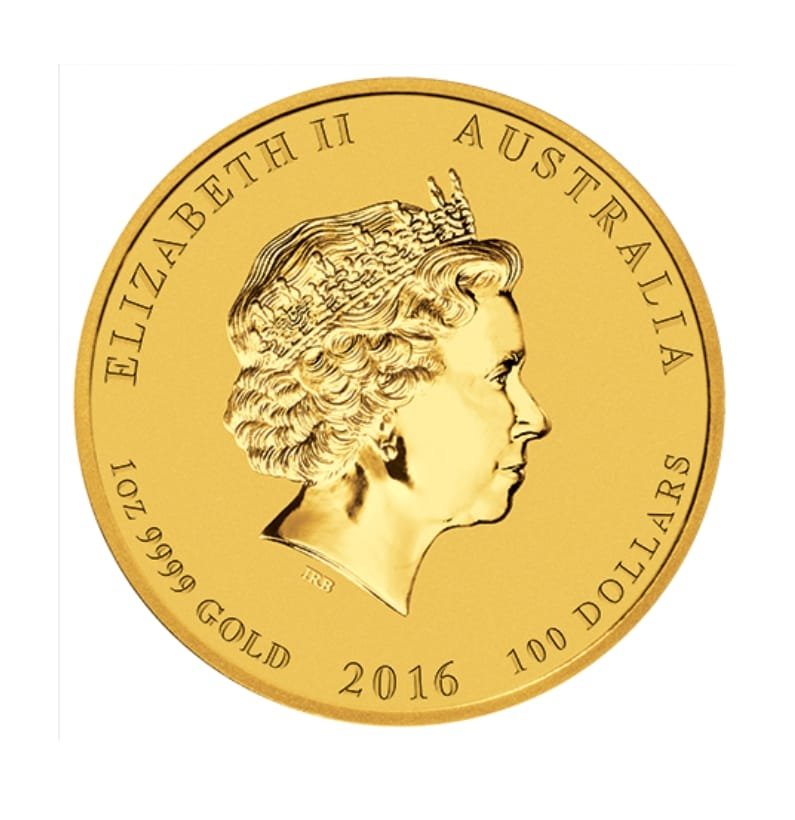
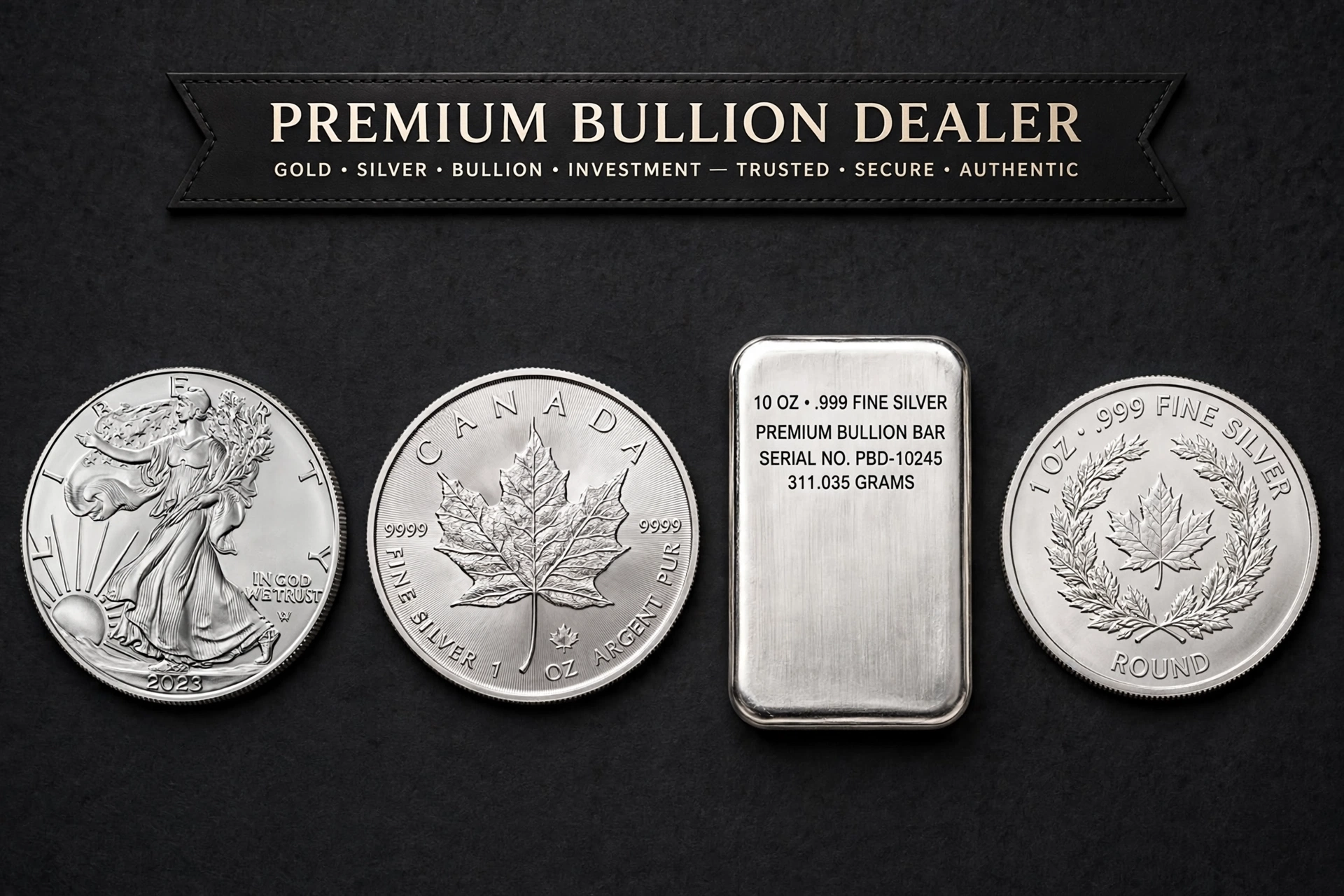
Silver coins are minted by government mints — the U.S. Mint, the Royal Canadian Mint, the Royal Mint (Britain). They carry a face value (the Eagle is $1, the Maple Leaf is $5 CAD), a guaranteed weight and purity of .999 fine silver, and designs that change little from year to year. They cost the most per ounce because the mint charges a premium for the design, the guarantee, and the brand.
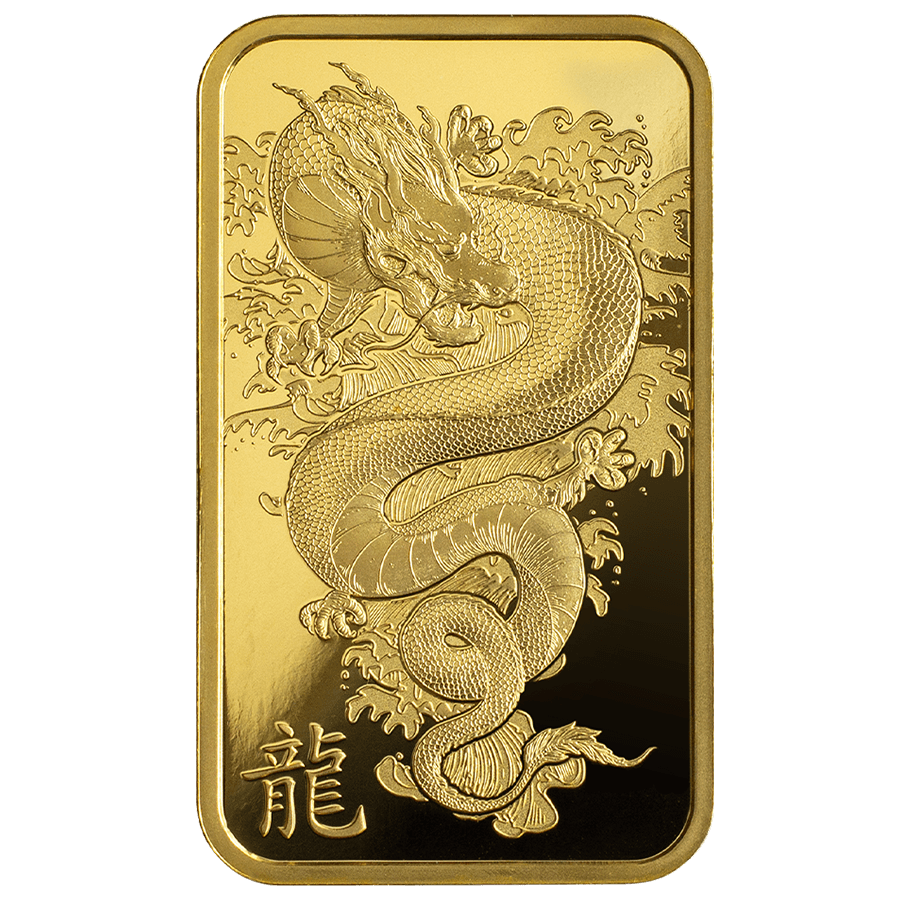
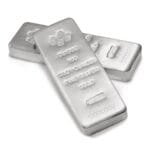
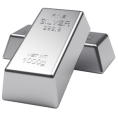
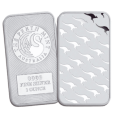
Silver bars are produced by private refiners (Royal Canadian Mint, PAMP Suisse, Engelhard, and others) and by government mints. A 10 oz bar is a simple stamped rectangle: weight, purity (.999 fine), and the refiner’s name. No intricate design, no face value, no collectible appeal — which is exactly why the premium is lower. You are paying for metal, not artistry.
Silver rounds are private-mint discs shaped like coins — 1 oz of .999 fine silver, usually with a generic design (an eagle, a buffalo, a walking Liberty). They have no face value and no government guarantee, so they carry the lowest premium of any 1 oz form. They are, in every practical sense, a 1 oz bar in a round shape.
The metal is identical in all three: 1 troy ounce of .999 fine silver. What you pay extra for is the issuer’s reputation, the design, and how easy the piece is to resell.
Silver Coins vs Silver Bars: Real Premiums Compared
Premiums are measured against the spot price of silver — the wholesale benchmark for 1,000 oz bars traded between institutions. Every retail product costs spot plus a premium. Here is what our own shop charged on November 15, 2026, against a spot price of $48.74/oz, alongside the typical calm-market ranges published by major dealers:
| Product | Live price (Nov 15, 2026) | Premium over spot | Typical calm-market range |
|---|---|---|---|
| 1 oz American Silver Eagle | $65.74 | $17.00 → 34.9% | 15–25% |
| 2023 1 oz Canadian Silver Maple Leaf | $72.31 | $23.57 → 48.4% | 14–22% |
| 2023 1 oz Silver Britannia | $74.16 | $25.42 → 52.2% | 15–25% |
| 10 oz Royal Canadian Mint silver bar | $640.63 | $153.23 → 31.4% | 5–8% |
If those premiums look high compared with the “typical” column, you’re reading the table correctly — and there is a real reason. Silver’s spot price fell sharply in recent weeks (the 52-week range runs from about $49 to $117 an ounce). Dealer shelf prices adjust with a lag, especially downward: our Eagle product page still advertises “as low as $5.99 per coin over spot,” a line written when spot was near $59.75. At today’s spot of $48.74, that same $65.74 price works out to about 35% over spot.
Two honest takeaways. First, premiums are a moving target — always compute the premium from today’s spot price, not from a dealer’s marketing line. Second, the ranking never changes: bars cost less per ounce than rounds, and rounds cost less than government coins, in every market. The gap between forms matters more than the absolute number on any given day.
For the cheapest silver per ounce on a 1 oz budget, rounds are the answer — they typically carry premiums close to bar levels (5–12% in calm markets) because they have no government mint behind them. And for bulk buyers, a 100 oz bar is cheaper per ounce still (typically 3–5% over spot), though it is the hardest form to sell in small pieces.
Our guide to buying silver covers the full buying process, and our fractional gold and silver guide covers what to do when your budget is smaller than a single ounce.
Liquidity: How Easy Is Each Form to Sell?
Liquidity is where coins earn their premium.
- American Silver Eagles: excellent. Every dealer in the country buys them, often at the highest buyback price of any silver product. They are the most recognized silver coin on the planet — a buyer in any city will take one without hesitation.
- Maple Leafs and Britannias: very good. Widely recognized, though some U.S. dealers pay slightly less for foreign coins than for Eagles.
- Silver bars from major refiners: good. A 10 oz bar from the Royal Canadian Mint or PAMP Suisse sells easily to any dealer, but the buyback price is closer to melt value — you get less of your premium back than you do on a coin.
- Silver rounds: fair. Dealers buy them, but they pay less — sometimes only spot or spot plus a dollar — because a private-mint round has no government guarantee and is harder for the dealer to resell.
- 100 oz bars: the hardest. A single piece worth nearly $5,000 at today’s spot is a harder sell than ten 10 oz bars, and fewer buyers can take it.
The practical rule: the premium you pay is partly an insurance policy on resale. You pay more for an Eagle because you get more of it back when you sell. You pay less for a round because you accept a thinner buyback.
Divisibility: Can You Sell a Little at a Time?
Silver’s biggest advantage over gold is divisibility — and the form you choose decides how usable that advantage is.
- 1 oz coins and rounds: perfectly divisible. Sell one coin, keep the rest. Need $65? Sell one Eagle. Need $650? Sell ten.
- 10 oz bars: moderately divisible. You can sell one bar at a time, but each sale is roughly $640 at today’s prices — a bigger lump than a single coin.
- 100 oz bars: poorly divisible. One sale is nearly $5,000. You cannot sell a tenth of a bar.
- Junk silver (below): the most divisible of all. Individual dimes and quarters worth a few dollars each.
If your plan is to hold silver for an emergency or to sell gradually over time, favor 1 oz pieces. If you are stacking for the long term and never plan to sell in small amounts, bars are the better value.
Storage: What Fits in Your Safe?
Coins take up more space per ounce than bars — a tube of 20 Eagles is bulkier than a 10 oz bar of the same weight, and rounds fall in between. For a home safe, bars stack neatly and efficiently; coins in tubes stack well too but occupy roughly 30–40% more volume for the same weight. None of this matters much below a few hundred ounces, but at 1,000+ ounces the difference is real. Our guide to how to store gold and silver safely covers the full storage question, including when a safe deposit box or professional vault makes more sense than a home safe.
Silver Rounds in Detail: The Budget Option
Rounds deserve a closer look, because they are the form most first-time buyers misunderstand. A silver round is not a coin — it has no face value, no government backing, and no legal-tender status. It is a 1 oz disc of .999 fine silver struck by a private mint, and its only promise is the weight and purity stamped on it.
That sounds like a drawback, and for resale it partly is. But for buying, rounds have a real advantage: they carry the lowest premium of any 1 oz form. In calm markets, a round typically costs 5–12% over spot — close to a bar’s premium, and well below a government coin’s 15–25%. The reason is simple: a private mint does not charge for a government guarantee, a face value, or a famous design. You pay for the silver and the striking, and little else.
Who makes rounds? Dozens of private mints, large and small — Sunshine Minting, SilverTowne, Monarch Precious Metals, and many others. Quality varies, which is why the mint’s reputation matters: a round from a well-known private mint resells far more easily than one from an obscure producer. Stick to recognizable names, and buy rounds that are sealed or in tubes when you can.
The trade-off, stated plainly: you save on the premium when you buy, and you give some of it back when you sell. A dealer buying your rounds will typically pay spot or spot plus a dollar — less than they pay for an Eagle or a Maple Leaf, because a private-mint round is harder for them to resell to the next buyer. Rounds are a buy-and-hold product. If you plan to hold for years and care mostly about the ounces you own, rounds are the cheapest way to stack. If you might need to sell in a hurry, coins are worth the extra premium.
One more practical note: rounds are the easiest silver to confuse with a coin at a glance, which matters if you ever sell to a private buyer rather than a dealer. Be clear about what you are selling — “1 oz .999 fine silver round, private mint” — and price it as a round, not as a coin. Honesty about the form protects both sides of the deal.
Junk Silver: The Fourth Option for Small Budgets
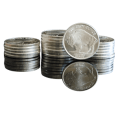
Junk silver is pre-1965 U.S. coinage — dimes, quarters, and half dollars minted with 90% silver — sold by face value rather than by the piece. A $1 face-value bag contains about 0.715 troy ounces of silver, and it trades very close to melt value: typically the lowest premium of any silver form, because it is sold as bulk metal rather than as collectibles.
It is also the most divisible silver you can own: a single dime is worth roughly $3.50 at today’s spot, so you can spend or sell in very small amounts. The trade-offs are bulk (a bag of coins is heavy and takes space), condition (the coins are worn and circulated), and recognition — everyone in the U.S. recognizes a Mercury dime, but a buyer overseas may not.
Junk silver suits small budgets and anyone who wants maximum divisibility. It does not suit buyers who want clean, stackable, easily verified pieces.
Who Should Buy Which First
First-time buyer, $100–$500: Start with 1 oz government coins — Silver Eagles or Maple Leafs. Pay the premium once and own the most liquid silver there is. If the premium stings, buy a mix: a few coins for liquidity, and a 10 oz bar for value.
Budget stacker, $500–$2,000: Alternate between 10 oz bars and 1 oz rounds. Bars give you the best price per ounce in bulk; rounds give you small-unit flexibility at near-bar premiums.
Small budget, under $100: Junk silver or fractional silver — the smallest divisible units at the lowest premium. See our fractional gold and silver guide for the math on buying less than an ounce at a time.
Long-term stacker, $2,000+: Mostly bars (10 oz and 100 oz) for the lowest cost per ounce, with a core of Eagles for liquidity. Keep the coin share at 20–30% of your stack so you always have something easy to sell.
The same logic applies to gold, at a different scale — our gold bars vs gold coins guide walks through the same trade-offs for 1 oz gold products.
How to Buy Your First Silver: A Simple Plan
If you have read this far and still have not bought anything, here is the plan in five steps:
1. Check the live spot price first. Silver spot moves all day. Know today’s number before you look at any product price — it is the only way to compute the premium and tell a fair price from a bad one. Spot is the wholesale benchmark everything else is measured against.
2. Decide your form before you shop. First purchase? Government coins — Eagles or Maple Leafs. Building a stack on a budget? Mix 10 oz bars with 1 oz rounds. Under $100 to spend? Junk silver or fractional pieces. Choosing the form first stops you from impulse-buying the wrong product at the wrong premium.
3. Compare the total price, not the premium alone. A dealer advertising a low premium may add a 3–4% credit card surcharge or $30 shipping. Compare the out-the-door price of the exact same product at two or three dealers, and pay by bank wire when the saving is worth it.
4. Buy from an established dealer with a buyback policy. Transparent pricing tied to live spot, insured shipping on every order, a phone number you can call, and a clear statement that they will buy the metal back. If a dealer sells silver but will not buy it back, that is a warning sign.
5. Verify on arrival and store it properly. Check the product matches what you ordered — correct weight, design, and packaging — and keep coins in tubes or capsules and bars in their assay cards. A broken seal or a scratched coin costs you resale value. Our guide to spotting fake gold and silver covers the verification tests in detail, and they apply to silver exactly as they do to gold.
Frequently Asked Questions
Is it better to buy silver coins or rounds?
Coins are better if resale value and recognition matter to you — dealers pay more for government coins than for private-mint rounds. Rounds are better if you want the cheapest silver per ounce and plan to hold long term. For a first purchase, coins win; for a large stack, rounds win on cost.
What is the cheapest way to buy silver?
The cheapest silver per ounce is usually a 100 oz bar (3–5% over spot in calm markets), then 10 oz bars (5–8%), then rounds (5–12%), then government coins (15–25%). Junk silver (pre-1965 U.S. coins) trades closest to melt value. Buying in bulk and comparing the premium — not just the headline price — across 2–3 dealers is how you find the real cheapest option.
Why are silver coins so much more expensive than spot?
Government coins carry a mint premium for design, manufacturing, quality control, and the government’s weight-and-purity guarantee, plus distribution and dealer margins. The premium is also demand-sensitive — when silver demand spikes, coin premiums spike with it, while bar premiums stay steadier. And dealer prices lag spot moves, so premiums look higher right after a sharp drop in spot.
Do silver rounds have any resale value?
Yes, but less than government coins. A dealer will buy your rounds — typically at or slightly above spot — but they pay less than they pay for an Eagle or a Maple Leaf, because a private-mint round is harder for them to resell. Rounds are a buy-and-hold product, not a flip.
Should I buy silver bars or coins for an emergency?
Coins. In a scenario where you need to sell quickly or trade small amounts, 1 oz government coins are the most recognized and divisible silver you can own. Bars are better value, but a 10 oz bar is a $640 lump — too big for a small emergency expense.
Next step: Start with the most liquid silver there is — a 1 oz American Silver Eagle or a 1 oz Canadian Silver Maple Leaf — then add a 10 oz silver bar when your budget allows. If you are still deciding between the two metals, read gold vs silver: which should you buy in 2026?